
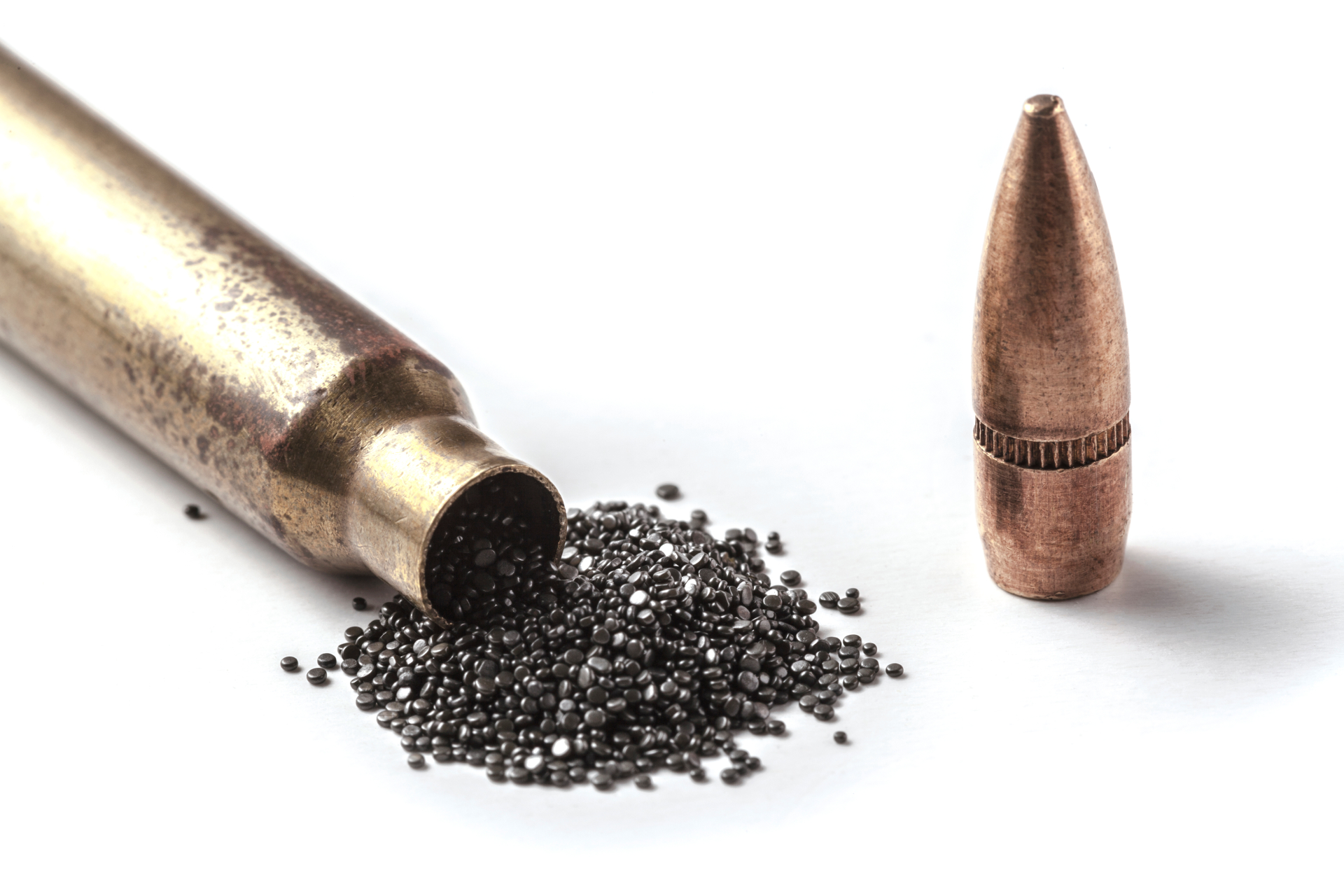
Reloaders love talking about powder. Burn rates, temperature stability, lot numbers, and charge weights dominate conversations at benches, ranges, and online forums. It makes sense as powder is visible, measurable, and feels like the heart of the load. Change the powder, and velocities change. Groups move. Chronographs tell a story.
But here’s the uncomfortable truth many experienced reloaders eventually discover: powder choice is rarely the reason consistency falls apart.
Once you’re using a proven powder that’s appropriate for your cartridge and bullet weight, powder stops being the limiting factor far sooner than most people expect. When velocity spreads remain wide or groups refuse to tighten, the real problem is usually upstream, long before the powder drop ever happens.
That’s where die tolerances come in.
Die quality, machining precision, and dimensional consistency quietly control the variables that determine whether powder burns the same way from round to round. And unlike powder swaps, die limitations don’t announce themselves loudly. They simply erode consistency one small variation at a time.
Consistency Begins Before the Powder Drop
Powder does exactly one job: it burns and creates pressure. But how it burns is dictated almost entirely by conditions that already exist when the primer ignites.
Those conditions include:
- Case dimensions
- Neck tension
- Bullet alignment
- Seating depth
- Case concentricity
All of these factors are established before powder ever enters the case, and nearly all of them are controlled, directly or indirectly, by your dies.
If any of these variables fluctuate, powder cannot compensate. You can throw identical charges down to a kernel, and the results will still vary if the mechanical foundation of the cartridge isn’t consistent.
This is why reloaders who obsess over powder often feel stuck. They’re adjusting the last variable in the chain while ignoring the ones that matter most.
What Die Tolerances Actually Control
Reloading dies aren’t just tools that “make ammo fit.” They shape the cartridge in ways that directly influence internal ballistics and external performance.
Tighter, more consistent die tolerances affect:
- Case sizing uniformity – Ensures cases return to the same dimensions every cycle
- Neck tension consistency – Controls bullet release timing and pressure curve
- Bullet alignment – Keeps the bullet centered with the bore
- Seating depth repeatability – Maintains consistent jump to the lands
- Concentricity (runout) – Reduces accuracy-robbing misalignment
Each of these elements contributes to how pressure builds and how consistently the bullet exits the barrel. When tolerances are loose or inconsistent, those variables drift, even when your powder charge doesn’t.
Neck Tension: The Quiet Driver of Pressure Consistency
Neck tension rarely gets the attention it deserves, yet it plays a massive role in consistent ignition and pressure.
If neck tension varies:
- Bullets release at different pressures
- Powder burns at different rates
- Velocities spread out
- Vertical stringing appears
Sizing dies with inconsistent internal diameters, or rough, uneven finishes, can create neck tension variation even when brass prep is otherwise identical.
The result?
- One round holds the bullet slightly tighter
- Another releases earlier
- Pressure curves change
- Extreme spread increases
Reloaders often blame powder, primers, or temperature when the real culprit is inconsistent bullet grip created during sizing.
Bullet Seating Depth and Alignment Matter More Than You Think
Seating dies are another overlooked source of inconsistency.
A seating die with loose tolerances or poor alignment can introduce variation without any obvious warning signs at the bench. Overall length may appear consistent, but bullet alignment and true seating depth can still vary.
Common issues include:
- Bullet tilt during seating
- Inconsistent jump to the lands
- Variations in actual ogive-to-base measurement
- Subtle concentricity problems
These issues directly affect accuracy, especially as distances increase. Powder choice cannot correct a bullet that enters the rifling at a slightly different angle every time.
Concentricity and Runout: Small Errors, Big Consequences
Runout is one of the most damaging, and least visible, forms of inconsistency in reloading.
Even a few thousandths of misalignment can:
- Open groups
- Increase flyers
- Reduce ballistic consistency
- Mask the true potential of a load
High-quality dies with precise alignment help maintain straight case walls and seat bullets concentrically with the bore. Lower-quality dies allow misalignment to creep in gradually, often without the reloader realizing it until performance plateaus.
No powder on the market can fix a crooked bullet.
Why Powder Often Gets Too Much Credit (or Blame)
Once a reloader selects a powder that:
- Is appropriate for the cartridge
- Produces safe pressure
- Offers reasonable velocity
- Meters consistently
Switching powders typically delivers incremental changes, not dramatic consistency gains.
Yet many reloaders respond to inconsistency by:
- Trying multiple powders
- Tweaking charge weights endlessly
- Swapping primers
- Chasing chronograph numbers
All while ignoring mechanical variation introduced during sizing and seating.
When dies introduce inconsistency, powder becomes the scapegoat, even though it’s performing exactly as expected under inconsistent conditions.
Why Die Quality Improvements Produce Immediate Results
One of the most telling signs that dies were the limiting factor is how quickly improvements appear after an upgrade.
Reloaders frequently report the below without changing powder, primers, bullets, or charge weights.
- Lower standard deviation
- Tighter extreme spreads
- More consistent point of impact
- Improved long-range performance
That’s because better dies reduce variation at the source. When cases are sized uniformly and bullets are seated consistently, powder finally gets to do its job the same way every time.
Progressive vs Single-Stage: Why Tolerances Matter Even More at Volume
Die tolerances matter on any press, but they become especially critical on progressive setups.
On progressive presses:
- Small inconsistencies compound quickly
- Adjustment drift becomes more noticeable
- Long runs magnify small errors
Consistent dies help ensure:
- Reliable operation over extended sessions
- Uniform results from the first round to the last
- Fewer interruptions and readjustments
When you’re producing hundreds or thousands of rounds, die quality directly determines whether consistency holds or slowly degrades.
Choosing Dies with Consistency in Mind
Not all dies are created equal, even within reputable brands. What matters most is not marketing language, but machining precision and dimensional control.
Reloaders focused on consistency should prioritize dies that:
- Maintain tight internal tolerances
- Produce repeatable neck tension
- Seat bullets concentrically
- Hold adjustments securely over time
- Feature smooth, uniform internal finishes
These characteristics influence results far more than brand loyalty or flashy packaging.
Why Experienced Reloaders Upgrade Dies Before Changing Powders
When reloaders reach a performance plateau, seasoned shooters rarely start with powder swaps. They start by evaluating the mechanical side of the process.
That’s because:
- Powder fine-tunes a load
- Dies define the foundation
Once cases and bullets are handled consistently, powder selection becomes what it was always meant to be, a final refinement, not a fix for underlying issues.
Upgrade Your Reloading Dies with Confidence
If you’re chasing tighter groups, lower velocity spreads, and repeatable performance, upgrading your dies is often the most effective next step you can take. Powder matters but only after the fundamentals are controlled.
Titan Reloading carries a wide selection of high-quality reloading dies and components trusted by serious reloaders. Whether you’re refining an existing setup or building a consistency-focused loading process from the ground up, choosing the right dies can unlock performance your powder has been capable of all along.
Consistency isn’t about chasing components, rather it’s about controlling variables. And that starts with the tools shaping every round before the powder ever burns.
Take the next step toward tighter groups and more consistent reloads by exploring premium reloading dies and components at www.TitanReloading.com. Visit the website today and build a setup that delivers repeatable results, round after round.