
October 16, 2026
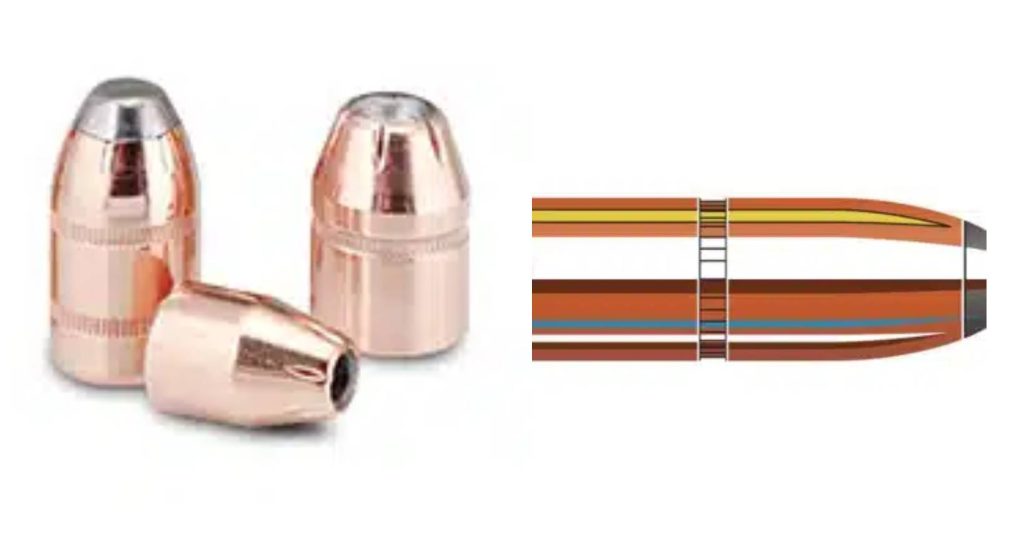
Why Primer Seating Depth Matters More Than Many Reloaders Realize
Primer seating rarely gets the same attention as powder charges, bullet seating depth, or die setup. Primers are small, the step happens quickly, and once a primer looks flush with the case head, many reloaders move on. But primer seating depth plays a direct role in reliable ignition and overall consistency. A primer that is […]
September 18, 2026
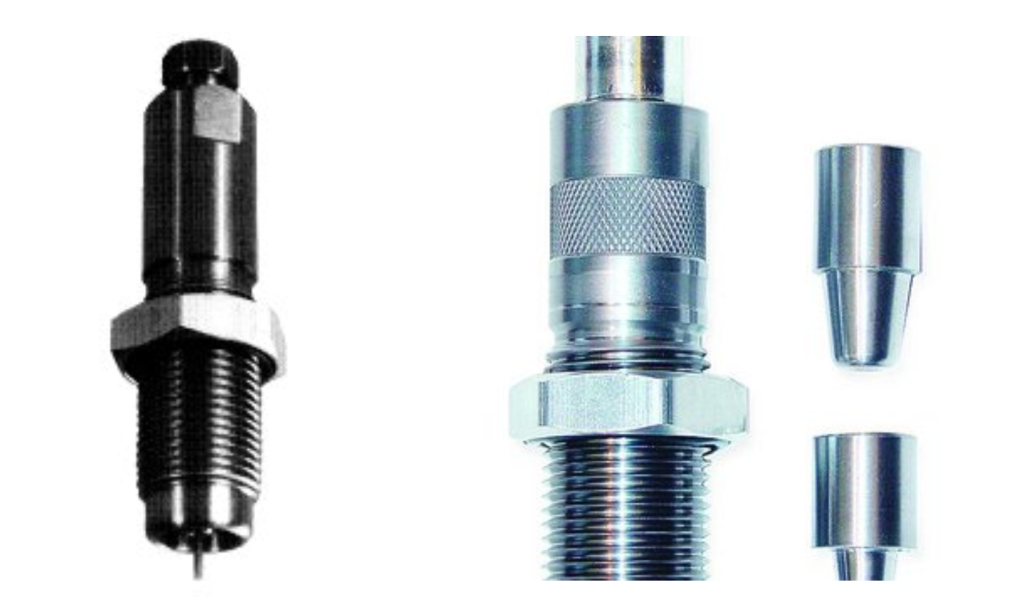
Full-Length Sizing vs Neck Sizing: When Each Method Makes Sense
Resizing is one of the most important steps in preparing fired rifle brass for another loading cycle. Once a cartridge is fired, the case expands to fit the chamber, and some form of resizing is usually needed before that brass can be used again. For many rifle reloaders, the decision comes down to two common […]
August 19, 2026
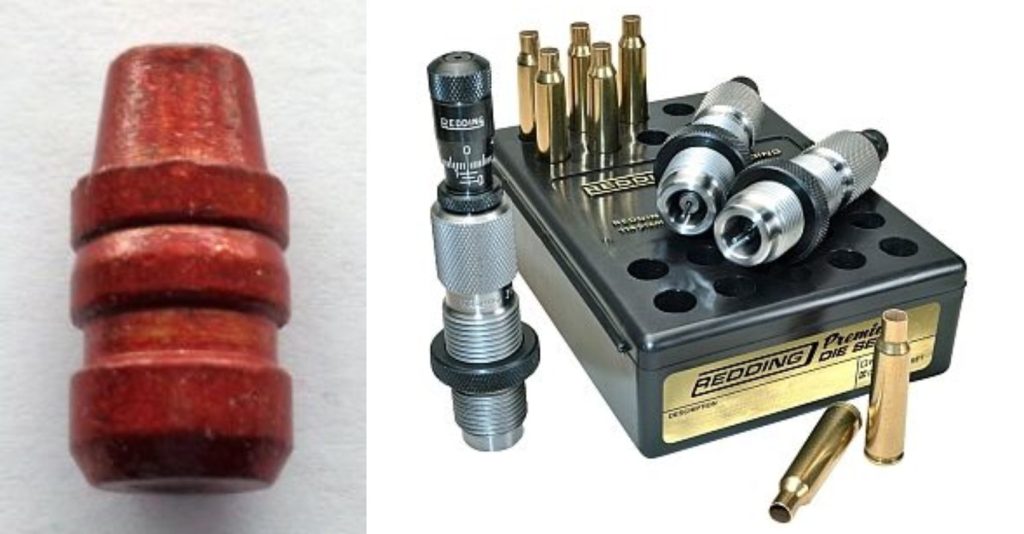
How to Know When Your Brass Is No Longer Safe to Reload
One of the biggest advantages of reloading is being able to reuse cartridge brass multiple times. A quality case can survive several loading cycles before it needs to be retired, making brass one of the few components that keeps serving you long after the first shot. But brass does not last forever and knowing when […]
July 27, 2026
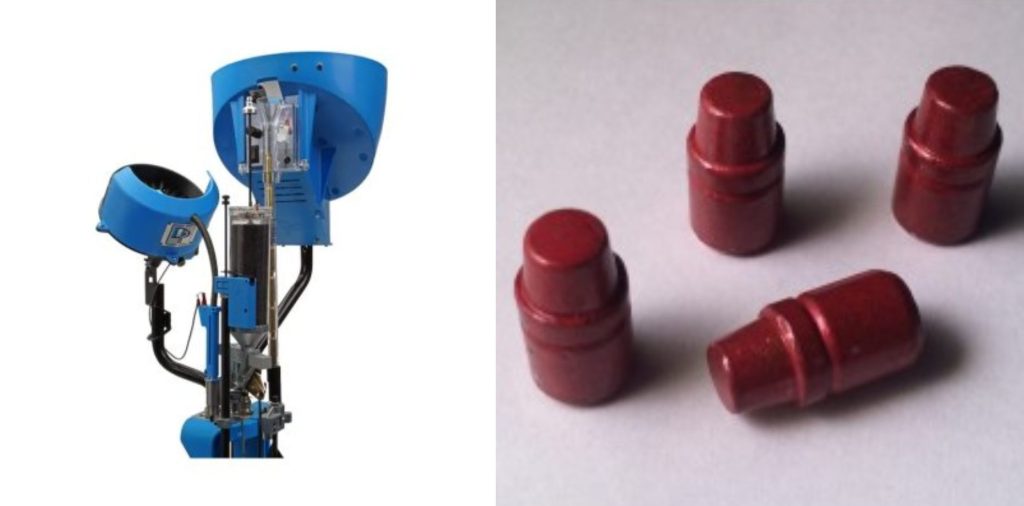
How to Store Reloading Components Properly
Reloading is built on consistency. Every carefully measured powder charge, properly prepared case, and precisely seated bullet contributes to producing reliable ammunition. Yet one aspect of reloading is often overlooked until problems begin to appear: how components and equipment are stored between loading sessions. Many reloaders invest considerable time selecting quality reloading equipment, organizing load […]
June 26, 2026
How Temperature Affects Ammunition Performance
Temperature is one of the most overlooked variables in shooting performance, yet it can have a measurable effect on how ammunition behaves from the moment the trigger is pulled. Many reloaders spend hours perfecting powder charges, seating depth, and brass preparation, only to overlook the fact that the environment itself can influence pressure, muzzle velocity, point […]
May 27, 2026
How Temperature and Storage Conditions Affect Reloading Components
Reloading components are engineered to deliver consistency, precision, and long-term reliability, but even the best powders, primers, brass, and loaded ammunition can gradually deteriorate when exposed to poor storage conditions. Heat, humidity, moisture, temperature swings, and improper organization may not seem like major issues at first, yet over time they can quietly affect the performance and consistency reloaders […]
April 24, 2026
Why Your Reloads Aren’t Grouping Tight (And How to Fix It)
One of the most frustrating parts of handloading is investing the time to build a batch of ammo, getting to the range, and realizing your groups still are not where they should be. You followed your process carefully and on paper everything looks right, yet the results do not reflect the effort. When that happens, most reloaders immediately look […]
March 25, 2026
How Competitive Shooters Tune Ammunition for Specific Firearms
Competitive shooters operate in a world where small differences matter. At higher levels of shooting, the gap between winning and falling down the leaderboard is often measured in fractions; fractions of an inch in group size, fractions of a second in follow-up shots, or slight variations in recoil and point of impact. Because of that, serious shooters […]
February 27, 2026
Why Your Reloads Feel Inconsistent Even When Your Numbers Look Perfect
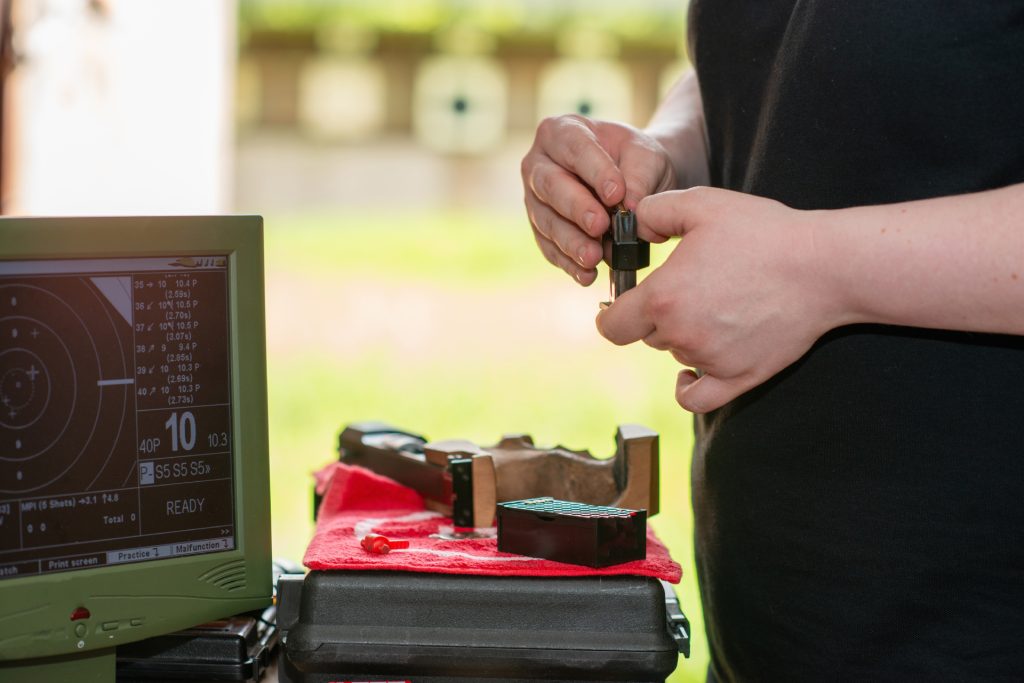
You followed the data. You followed the manuals. You followed the process. Your powder charges are weighed carefully and sit within a tenth. Your chronograph numbers look solid. SD and ES are well within what most shooters would call “good.” On paper, the load checks every box. But when you step up to the line, […]
January 22, 2026
Why Die Tolerances Matter More Than Powder Choice for Consistent Reloads
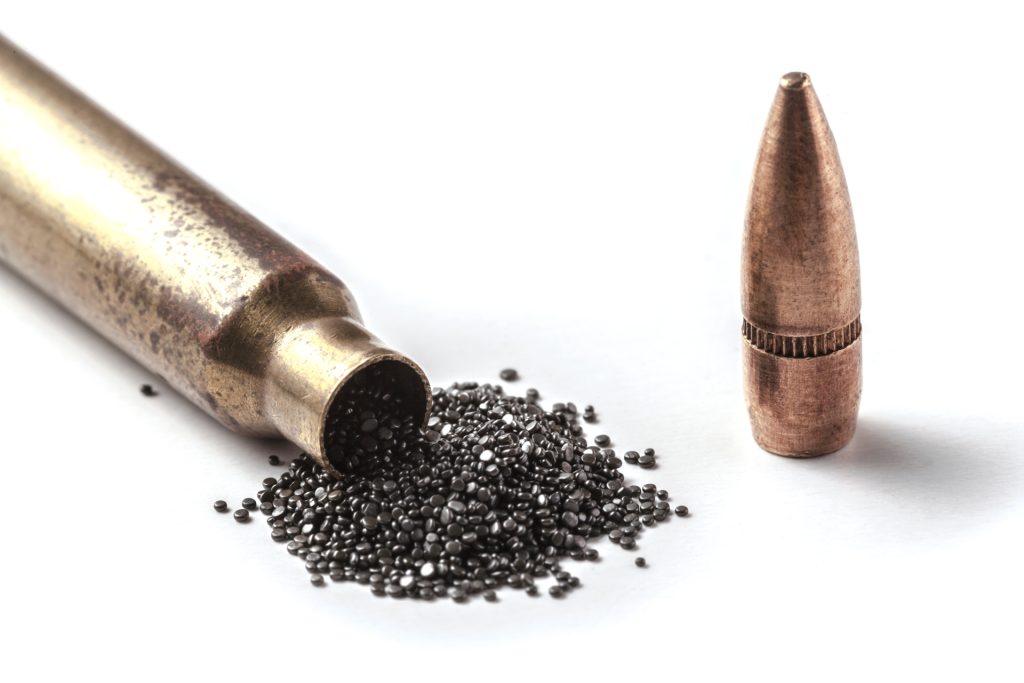
Reloaders love talking about powder. Burn rates, temperature stability, lot numbers, and charge weights dominate conversations at benches, ranges, and online forums. It makes sense as powder is visible, measurable, and feels like the heart of the load. Change the powder, and velocities change. Groups move. Chronographs tell a story. But here’s the uncomfortable truth many experienced reloaders eventually discover: powder choice is […]