
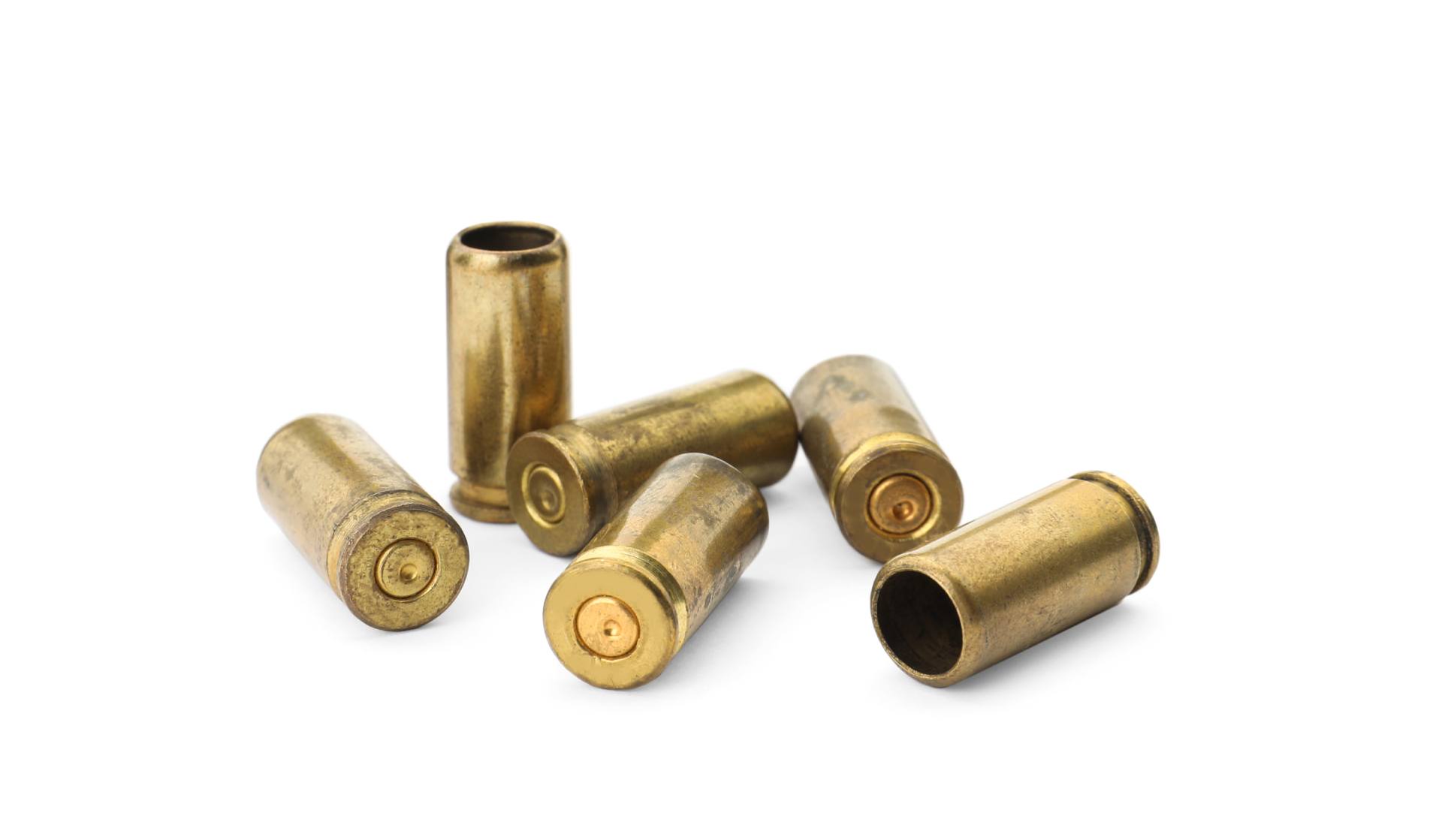
Reloading components are engineered to deliver consistency, precision, and long-term reliability, but even the best powders, primers, brass, and loaded ammunition can gradually deteriorate when exposed to poor storage conditions. Heat, humidity, moisture, temperature swings, and improper organization may not seem like major issues at first, yet over time they can quietly affect the performance and consistency reloaders work so hard to achieve.
Many reloaders spend countless hours refining powder charges, adjusting seating depth, sorting brass, and improving their loading process, but storage conditions are often treated as an afterthought. In reality, the environment your components are stored in can influence reliability just as much as some of the variables being adjusted at the bench. A carefully developed load can still produce inconsistent results if the powder, primers, or brass have been exposed to unnecessary environmental stress over long periods of time.
One of the biggest misconceptions is that component damage only matters when it becomes visibly obvious. The problem is that environmental exposure often works slowly and subtly. Powder can gradually lose stability after prolonged heat exposure. Moisture can compromise primers before any visible signs appear. Brass can begin developing corrosion or internal inconsistencies long before it looks severely damaged from the outside. By the time performance problems show up at the range, the underlying cause may have started months or even years earlier.
Temperature fluctuations are especially problematic because they create instability that compounds over time. Repeated shifts between hot and cold environments can introduce condensation, moisture buildup, and long-term chemical stress on components. Storing powders or loaded ammunition in garages, sheds, vehicles, or other non-climate-controlled areas may expose them to conditions far outside what manufacturers recommend for long-term stability.
Humidity presents another serious concern. Moisture is one of the fastest ways to compromise reloading components, particularly primers and brass. Even small amounts of trapped humidity inside poorly sealed containers can slowly affect reliability. For reloaders pursuing tighter groups and predictable performance, protecting components from unnecessary environmental exposure becomes part of the precision process itself.
Consistency does not stop once the round leaves the press. It extends into how components are stored, organized, protected, and maintained over time. Reloaders who take storage seriously are not simply preserving inventory, they are protecting the consistency and reliability of every future round they build.
Temperature Extremes Can Impact Powder Stability
Smokeless powder is designed to remain stable under normal storage conditions, but excessive heat can accelerate chemical breakdown over time. Powders exposed to consistently high temperatures may deteriorate faster, potentially affecting burn characteristics and overall consistency.
Leaving components in garages, sheds, vehicles, or other non-climate-controlled environments during hot summer months can create unnecessary exposure to temperature extremes. While modern powders are relatively stable when stored properly, long-term heat exposure can still reduce reliability and shorten shelf life.
Extreme cold generally creates fewer long-term storage concerns than excessive heat, but repeated temperature swings between hot and cold environments may still contribute to condensation and moisture-related issues.
Humidity and Moisture Create Serious Problems
Humidity creates problems that often develop slowly enough for reloaders to overlook until performance starts becoming inconsistent. Unlike obvious physical damage, moisture-related issues tend to build gradually over time, affecting component reliability long before major warning signs appear.
Brass is especially vulnerable in damp environments. Prolonged exposure to moisture can encourage oxidation and corrosion that eventually weakens case integrity and reduces reloadability. While minor tarnishing is often cosmetic, deeper corrosion can compromise the structural consistency reloaders depend on for reliable pressures and repeatable performance.
Primers and powders are even more sensitive. Moisture intrusion can affect ignition consistency, alter burn characteristics, and create variations that show up as inconsistent velocities or unpredictable performance at the range. In some cases, components may still appear normal externally while internal reliability has already started to deteriorate.
One of the biggest problems is that humidity is not always obvious. Small amounts of trapped moisture inside storage bins, ammo cans, garages, or basement storage areas can slowly create long-term issues if environmental conditions are not controlled properly. Reloaders storing large quantities of components for extended periods often benefit from sealed containers, desiccant packs, and stable storage environments that reduce unnecessary exposure to moisture over time.
For reloaders focused on consistency, controlling humidity is not simply about protecting inventory. It is about protecting the reliability and repeatability of every future load built from those components.
Powder Performance Can Change With Environmental Conditions
Temperature can influence how powder behaves during firing, especially in extreme conditions. Certain powders are more temperature stable than others, while some may experience noticeable pressure or velocity variations depending on environmental conditions.
Reloaders shooting in very hot or very cold climates often pay close attention to powder selection because temperature sensitivity can affect consistency and ballistic performance. While this is primarily a concern during actual shooting conditions rather than storage alone, poor storage practices combined with environmental exposure may contribute to greater variability over time.
Maintaining stable storage temperatures helps preserve overall powder consistency and reliability.
Primers Require Careful Storage
Primers are highly sensitive components that should always be stored carefully in stable, dry environments. Excessive humidity, direct sunlight, and high temperatures can all negatively affect primer reliability over time.
Most primer manufacturers recommend storing primers in their original packaging within cool, dry areas away from excessive heat sources or rapid environmental changes. Proper organization is also important because damaged packaging or careless handling can increase safety risks and make inventory management more difficult.
Reliable ignition begins with properly stored primers that remain protected from unnecessary environmental exposure.
Brass Condition Matters More Than Appearance Alone
Brass naturally changes appearance over time, especially when exposed to air and humidity. Tarnishing itself is often cosmetic, but prolonged exposure to poor storage conditions can eventually contribute to corrosion or weakened case integrity.
Reloaders storing large quantities of brass often benefit from keeping cases clean, dry, and organized in sealed containers or controlled environments. Moisture exposure can become especially problematic in basements, garages, or storage areas with poor humidity control.
Proper brass storage helps preserve reloadability while reducing the likelihood of contamination or deterioration between loading sessions.
Loaded Ammunition Also Benefits From Controlled Storage
Finished ammunition is not immune to environmental conditions either. Excessive heat, humidity, and temperature swings can affect long-term ammunition reliability if rounds are stored improperly for extended periods.
Consistent storage conditions help preserve powder stability, primer reliability, and overall cartridge integrity. Many reloaders use sealed ammunition cans with desiccant packs to help control moisture and protect loaded rounds from environmental exposure.
Well-organized storage systems also make it easier to track load batches, component dates, and inventory rotation over time.
Consistency Extends Beyond The Reloading Bench
Precision reloading is built on consistency, but true consistency does not stop at powder measurements or die adjustments. It extends into every stage of the process, including how components are stored, protected, and maintained over time. Environmental control plays a much larger role in long-term reliability than many reloaders realize, especially for those chasing repeatable performance and tighter accuracy.
Even the most carefully developed load can start producing inconsistent results if powders, primers, brass, or loaded ammunition have been exposed to excessive heat, humidity, moisture, or unstable storage conditions over long periods. A reloader may spend hours refining charge weights and seating depth, only to unknowingly introduce variability through poor storage practices that slowly affect component stability and reliability.
Protecting your components from unnecessary environmental stress helps preserve the consistency you worked hard to build at the bench. Stable temperatures, dry storage conditions, proper organization, and careful inventory management all contribute to more reliable ignition, more predictable velocities, and better overall ammunition performance. The goal is not simply to keep components usable. The goal is to maintain the same level of consistency from the first round to the last.
That is why experienced reloaders often treat storage as part of the precision process itself. Consistency is not created by one perfect step. It is created by controlling variables across the entire workflow, from component storage to final assembly.
At Titan Reloading, we understand that reliable performance depends on more than just load data and equipment. Proper component care, organization, and long-term storage practices all play an important role in producing dependable ammunition. Whether you are refining a precision rifle load or building large quantities of training ammunition, protecting your components is part of protecting your results.
Visit Titan Reloading today to explore reloading tools, components, and supplies designed to help serious reloaders maintain consistency, reliability, and confidence every time they head to the range.