
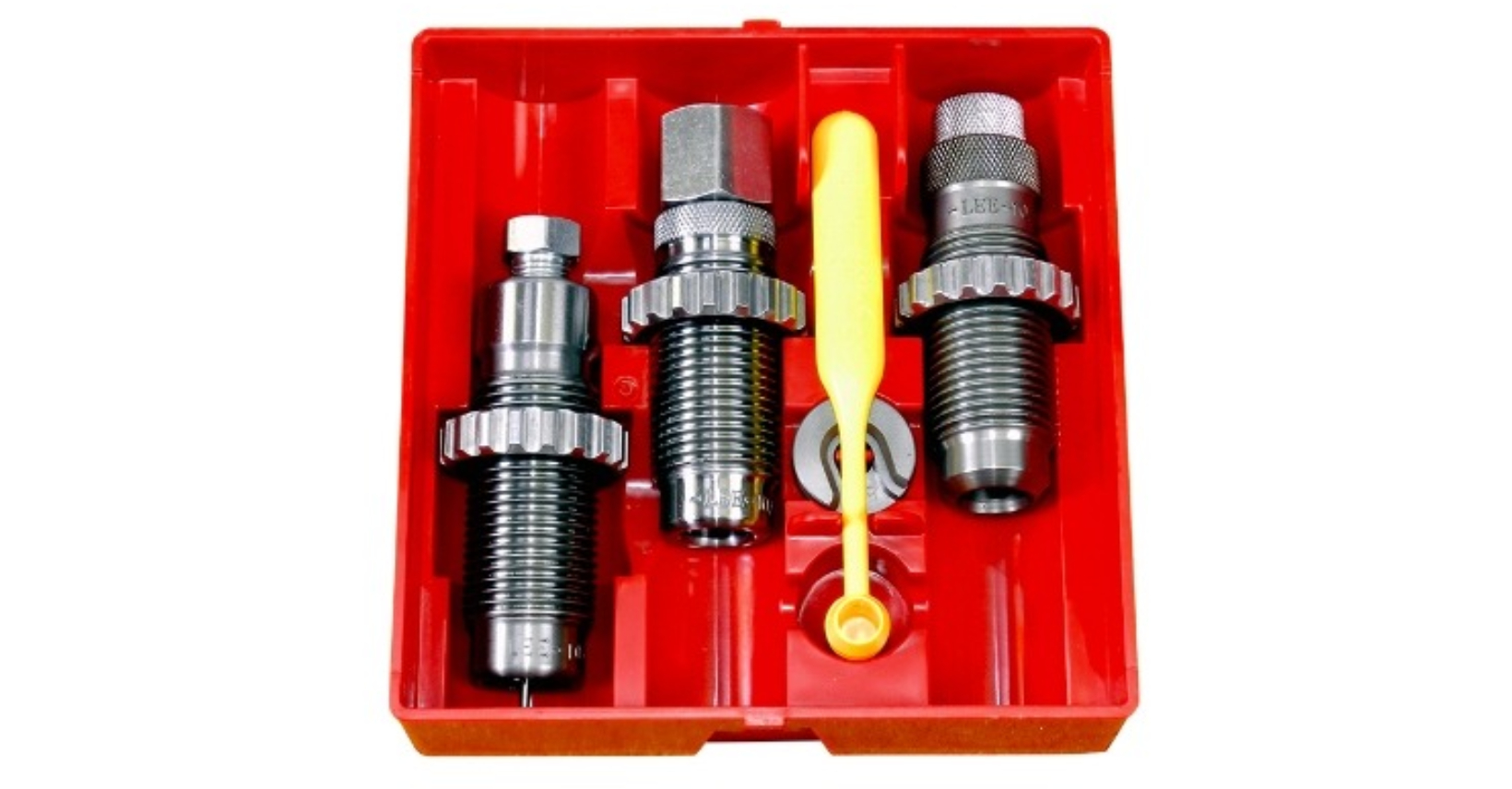
Carbide reloading dies are often marketed as a “must-have” upgrade, particularly for pistol reloaders. The implication is that carbide automatically delivers better performance, better ammo, and better results across the board. In practice, that framing is misleading. Carbide dies are not a universal improvement over steel, rather they are a targeted solution designed to address very specific workflow challenges.
The real value of carbide dies lies in efficiency, durability, and process simplification—not accuracy or versatility. When used in the right context, they remove friction from high-volume reloading and dramatically streamline production. When used outside that context, they often provide little benefit beyond convenience, despite their higher cost.
Understanding why carbide dies exist, and what problems they are engineered to solve, prevents reloaders from overspending or chasing benefits that simply aren’t there. It also helps set realistic expectations. Carbide won’t tighten groups, correct inconsistent loads, or replace good technique. What it will do is make certain reloading setups faster, cleaner, and more sustainable over the long term.
By matching the die material to your cartridge type, press style, and volume, you can make smarter equipment decisions and build a reloading process that actually fits how you shoot. That clarity is what separates useful upgrades from expensive distractions, and it’s exactly where carbide dies either earn their place on the bench or don’t.
What Carbide Dies Are Designed to Do
Carbide dies replace the traditional steel sizing ring with a tungsten carbide insert. The primary benefit of carbide is hardness and wear resistance. In straight-wall pistol calibers, this allows cases to be resized without lubrication while maintaining consistent dimensions over long use cycles. That’s the design goal. Everything else is secondary.
Where Carbide Dies Make the Biggest Impact
High-Volume Pistol Reloading
Carbide dies shine in straight-wall pistol calibers such as 9mm, .40 S&W, .45 ACP, and similar cartridges.
Eliminating case lubrication:
- Speeds up the workflow significantly
- Removes an entire handling step
- Prevents lube buildup on cases and dies
- Reduces cleanup time
For reloaders producing hundreds or thousands of rounds per session, carbide dies improve efficiency more than any other single die upgrade.
Progressive Press Setups
On progressive presses, carbide dies matter even more. Progressive presses thrive on uninterrupted operation. Adding lubrication into the process introduces friction, mess, and potential interruptions when lube distribution isn’t uniform.
Carbide sizing dies allow:
- Continuous operation
- Cleaner presses
- More consistent sizing
- Fewer stoppages
If you’re loading pistol ammo on a progressive press, carbide dies are not a luxury—they’re a practical efficiency upgrade.
Long-Term Durability
Carbide’s wear resistance becomes noticeable over time. Steel sizing dies can gradually polish or wear, especially under high volume. Carbide inserts maintain their dimensions over extremely long service lives, which helps ensure consistent sizing even after tens of thousands of rounds. For reloaders who shoot frequently, this durability adds real long-term value.
Where Carbide Dies Do Not Make a Meaningful Difference
Bottleneck Rifle Cartridges
Carbide offers little advantage in bottleneck rifle calibers. Rifle cases require lubrication regardless of die material due to case geometry. Carbide rifle dies still need case lube, which eliminates the primary benefit carbide provides in pistol reloading. Accuracy, neck tension, and concentricity in rifle loads are influenced far more by die design and setup than by carbide material alone.
Precision Accuracy Gains
Carbide dies do not automatically improve accuracy.
They do not:
- Improve bullet concentricity
- Fix inconsistent neck tension
- Reduce velocity spread
- Shrink group size on their own
Carbide is about process efficiency and durability, not precision tuning.
If your goal is accuracy improvement, die geometry, seating alignment, brass prep, and load development matter far more.
Low-Volume Reloading
If you reload occasionally or in small batches, the time savings from carbide dies may be negligible. Hand-lubing 50 to 100 cases is not a burden for most reloaders. In these cases, carbide dies may offer convenience but not meaningful performance or efficiency improvements.
Carbide vs Standard Steel Dies: The Real Decision
The question isn’t whether carbide dies are “better.” It’s whether they match how you reload.
Carbide dies make sense when:
- You reload straight-wall pistol calibers
- You load high volume
- You use a progressive or semi-progressive press
- You value speed, cleanliness, and long-term durability
Standard steel dies remain effective when:
- You reload rifle cartridges
- You load in smaller batches
- You prioritize flexibility over speed
- Lubrication is already part of your process
Get Started with the Right Reloading Dies
If you’re loading straight-wall pistol calibers and want to eliminate unnecessary steps, reduce mess, and increase output per session, carbide dies can deliver meaningful gains, when they’re matched correctly to your setup. The difference isn’t subtle when carbide dies are paired with the right press, volume, and workflow. Reloading becomes smoother, faster, and far more consistent from start to finish.
That’s where Titan Reloading stands apart. Rather than pushing generic “one-size-fits-all” die kits, we focus on helping reloaders choose equipment that actually fits how they load. Whether you’re running a progressive press for high-volume pistol ammo or refining a semi-progressive setup, their carbide die selection covers the calibers shooters rely on most, and the real-world demands those calibers create.
Choosing the right carbide die set means:
- Eliminating case lubrication for straight-wall pistol cartridges
- Reducing interruptions on progressive presses
- Maintaining consistent sizing across tens of thousands of rounds
- Avoiding unnecessary upgrades that don’t improve your results
Titan Reloading helps cut through the noise so you’re not paying for features you won’t use or expecting performance gains carbide isn’t designed to deliver. The goal isn’t hype, rather it’s efficiency, longevity, and a smoother reloading process that holds up session after session.
If you’re ready to streamline your pistol reloading and invest in dies that actually match your volume and press, explore Titan Reloading’s carbide die options or reach out for guidance. Getting the right setup from the start saves time, money, and frustration and keeps your focus where it belongs: producing reliable ammunition, not fighting your equipment.
Browse Titan Reloading’s carbide die selection or reach out for guidance to build a faster, cleaner reloading setup that fits your press, volume, and workflow.